🎉 Limited Time: Save Up to $6,000 on Heating & Cooling Upgrades VEU REBATE AVAILABLE

🎉 Limited Time: Save Up to $6,000 on Heating & Cooling Upgrades VEU REBATE AVAILABLE
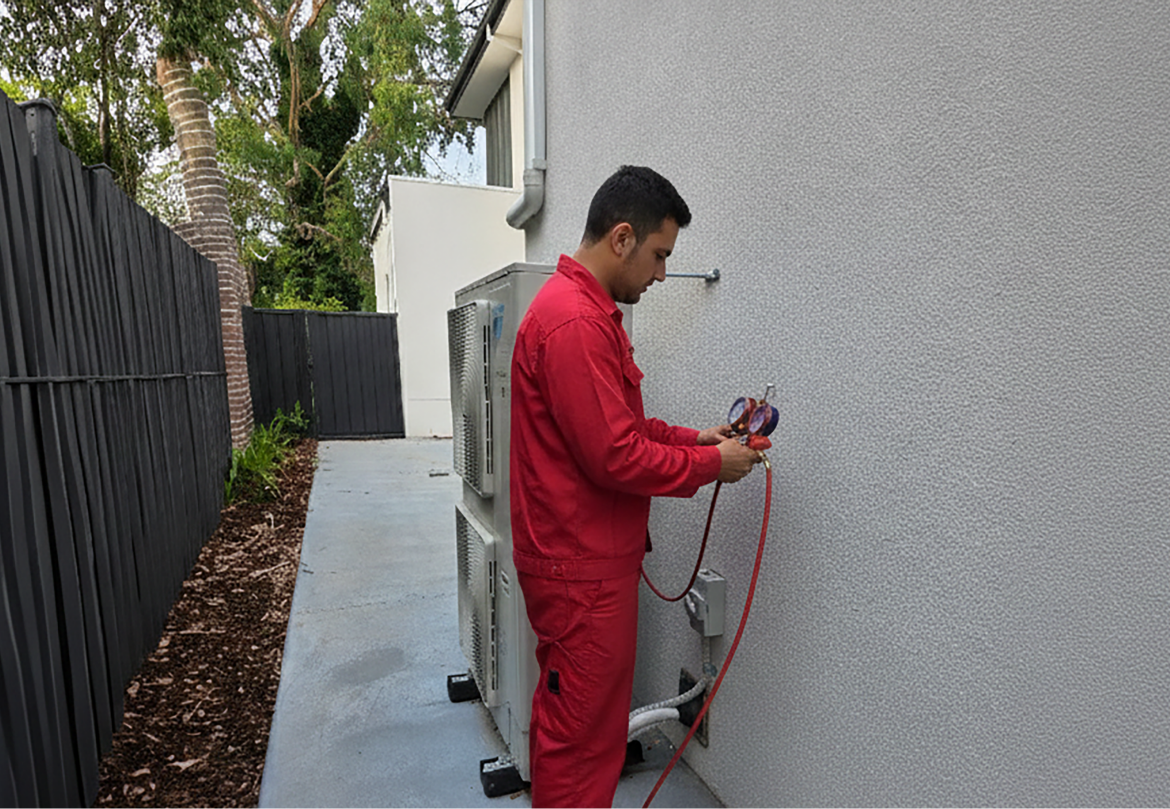
Getting the right heating system for a Melbourne home involves more than just picking a brand. The type of system — ducted gas, reverse cycle, or heat pump — affects running costs, comfort, and how the home responds to Victoria'sincreasingly mild winters and hot summers. We've been installing and servicing heating systems in the Eastern Suburbs since 1985, and we'll give you a straight assessment of what makes sense for your home rather than upselling youto something you don't need.
We cover Doncaster, Templestowe, Balwyn, Kew, Box Hill, Eltham, Warrandyte, Camberwell, Ringwood, and surrounding suburbs for both residential and light commercial work.
We caDucted gas heating remains one of the most common heating solutions in Melbourne's established suburbs. A central gas furnace heats air and distributes it through ceiling or underfloor ducts to vents in each room. It heats a home quickly, operates quietly, and the running cost per hour has historically been competitive with electric alternatives — though the economics have been shifting as gas prices rise.
We are authorised dealers for Brivis and Lennox ducted gas systems — two of the most well-regarded brands in the Australian market. Both offer modern, high-efficiency furnaces with variable-speed fans that modulate output based on demand, which reduces energy waste compared to older single-speed systems.
A new ducted gas heating installation is a significant job. It involves positioning the furnace unit (typically in the roof space or a utility area), designing and installing the duct network, fitting return air grilles and supply vents, connecting to the gas supply, and commissioning the system. For an existing home with no ductwork, this typically takes one to two days depending on the size of the home and roof space accessibility.
If you already have ducted gas heating and it's developing faults, we service and repair Brivis, Lennox, Braemar, Pyrox, and other major brands. We carry common replacement parts and can diagnose most faults in a single visit.
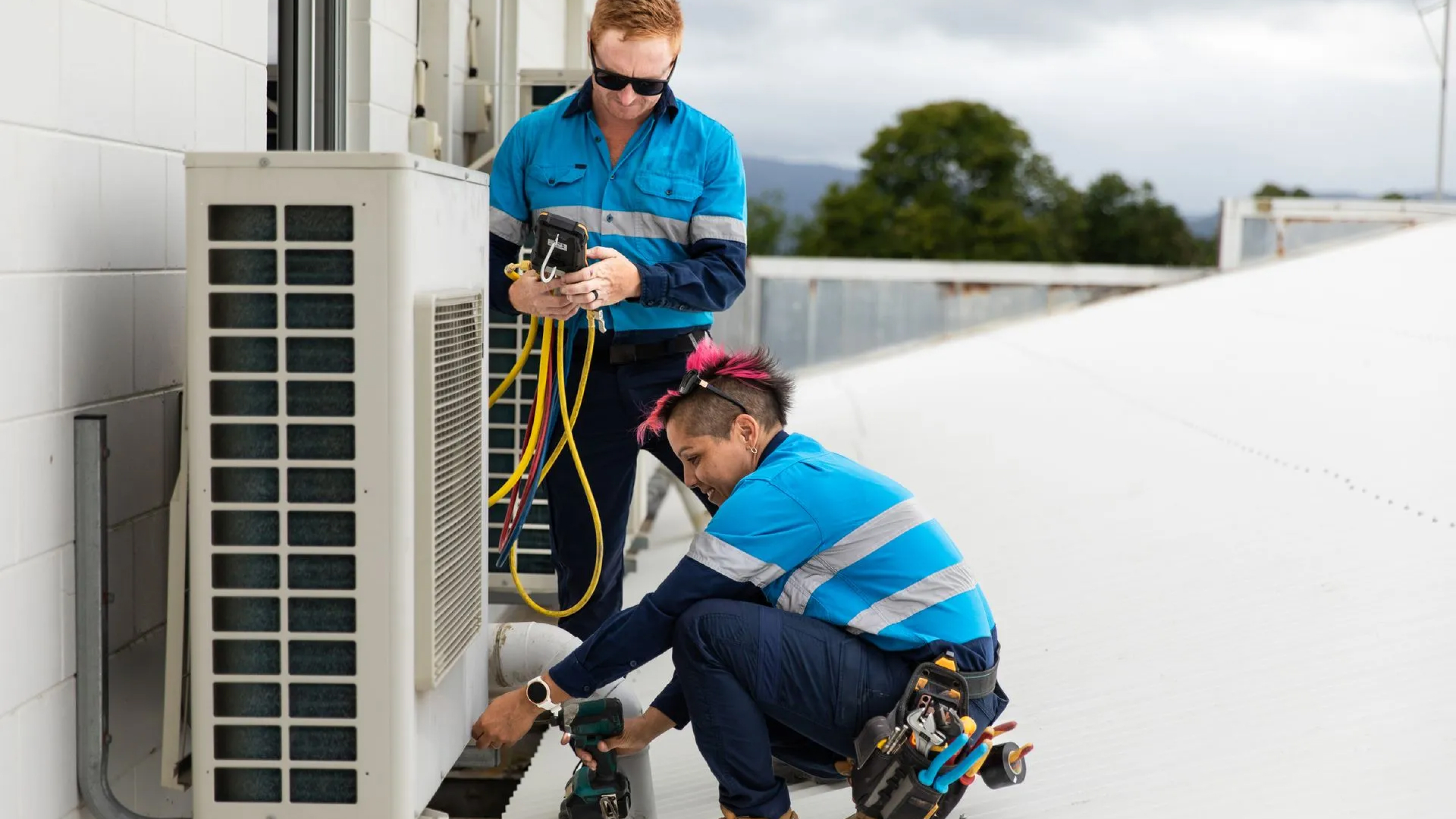
Reverse cycle air conditioning — either split system or ducted — provides heating by extracting heat from outside air and moving it indoors. Even when it's cold outside, there's enough heat energy in the air to make this process workefficiently. The result is that a reverse cycle system can deliver two to three kilowatts of heating for every one kilowatt of electricity consumed, making it significantly more efficient than any resistive electric heater and increasinglycompetitive with gas on a cost-per-hour basis.
For homes without existing ductwork, a split system reverse cycle unit is often the most practical and cost-effective heating solution. For whole-home heating, a reverse cycle ducted system replaces the gas furnace entirely andhandles both heating and cooling from the one unit — eliminating the need to maintain two separate systems.
Gas vs Reverse Cycle: Which Is Better for Your Home?This is the question we get asked most often. The honest answer is that it depends on your home, your usage patterns, and what systems are already in place. Here's how the main factors compare:
If you're replacing an existing ducted gas system that's at end of life, the VEU rebate makes a reverse cycle upgrade worth serious consideration. We can run through the numbers for your specific situation when we quote.
A ducted gas heater should be serviced annually. The service covers cleaning the heat exchanger and burner assembly, checking the flue for blockages, testing the gas valve and ignition, inspecting the fan motor and belt (whereapplicable), and verifying safe operation. Carbon monoxide testing is included in our gas heating services — a cracked heat exchanger can allow combustion gases into the air stream, which is a genuine safety concern in oldersystems.
For reverse cycle systems, an annual service is recommended by most manufacturers. This involves cleaning the indoor coil, checking refrigerant charge, inspecting electrical connections, and testing operation in both heating and cooling modes.
We service all major brands, including systems we haven't installed. If you've moved into a property with an existing heating system and you're not sure when it was last serviced, a service call is the right starting point.
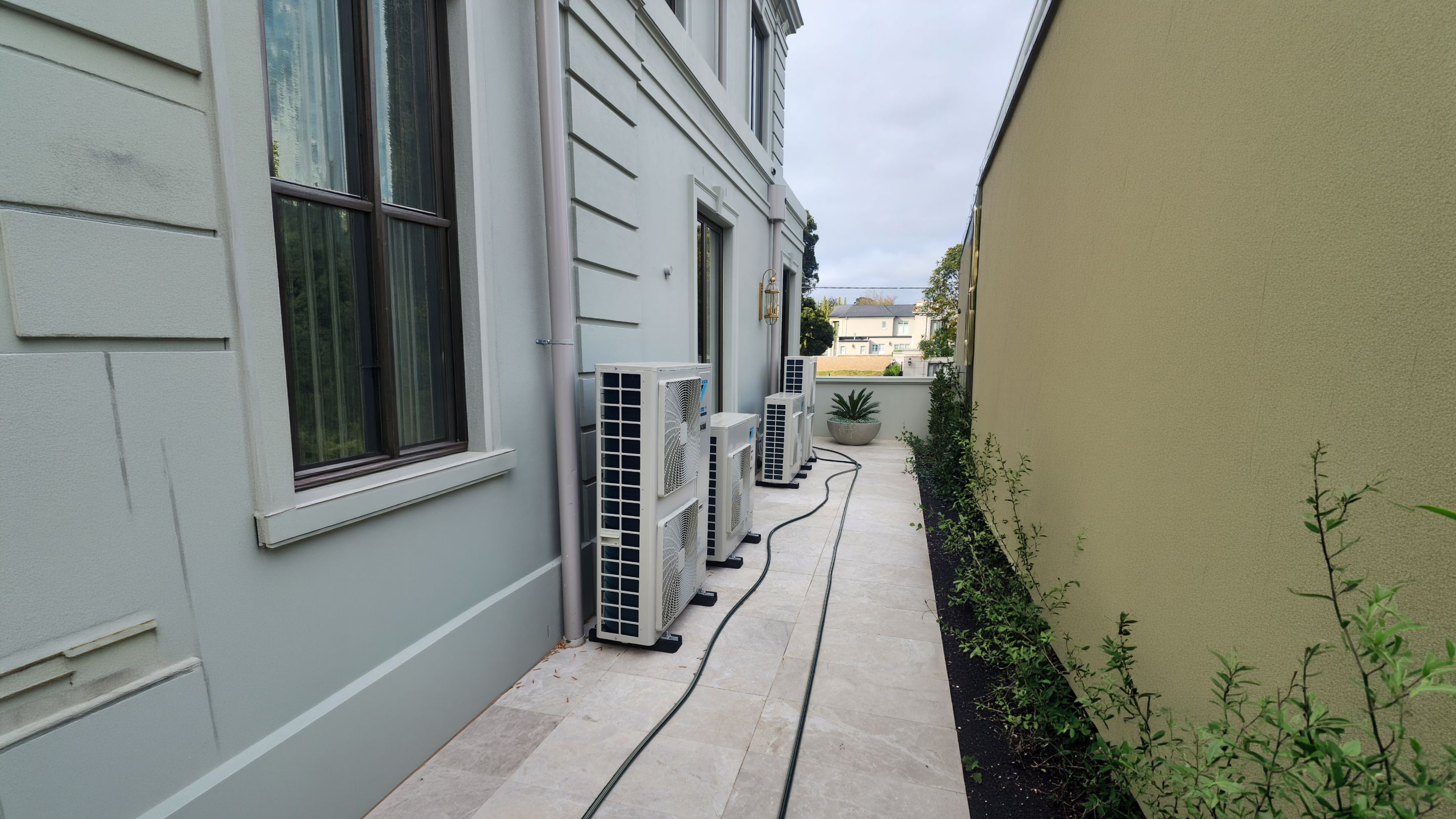
When a ducted gas heater stops working or develops a fault, the cause is usually one of a manageable set of issues — failed igniter, faulty gas valve, blocked flue, failing fan motor, cracked heat exchanger, or a control board fault. Our technicians carry common parts for Brivis and Lennox systems and can resolve most faults in a single visit.
For reverse cycle heating faults, the diagnostic process is similar to air conditioning repair — refrigerant charge, fan motor condition, compressor peration, and control board faults cover the majority of issues.
If a system is beyond economical repair — particularly older gas heaters where heat exchanger replacement costs approach new system cost — we'll tell you clearly and provide a replacement quote, including any applicable VEU rebate. We don't recommend repairs that don't make financial sense.
Professional heating and cooling specialists serving Melbourne's Eastern suburbs since 1985. We provide reliable installation, servicing and repairs for air conditioning, heating and hot water systems.



© 2026 Blain-Air Heating & Air Conditioning. All rights reserved. | Licensed & Insured | VEU Accredited Installer


