🎉 Limited Time: Save Up to $6,000 on Heating & Cooling Upgrades VEU REBATE AVAILABLE

🎉 Limited Time: Save Up to $6,000 on Heating & Cooling Upgrades VEU REBATE AVAILABLE
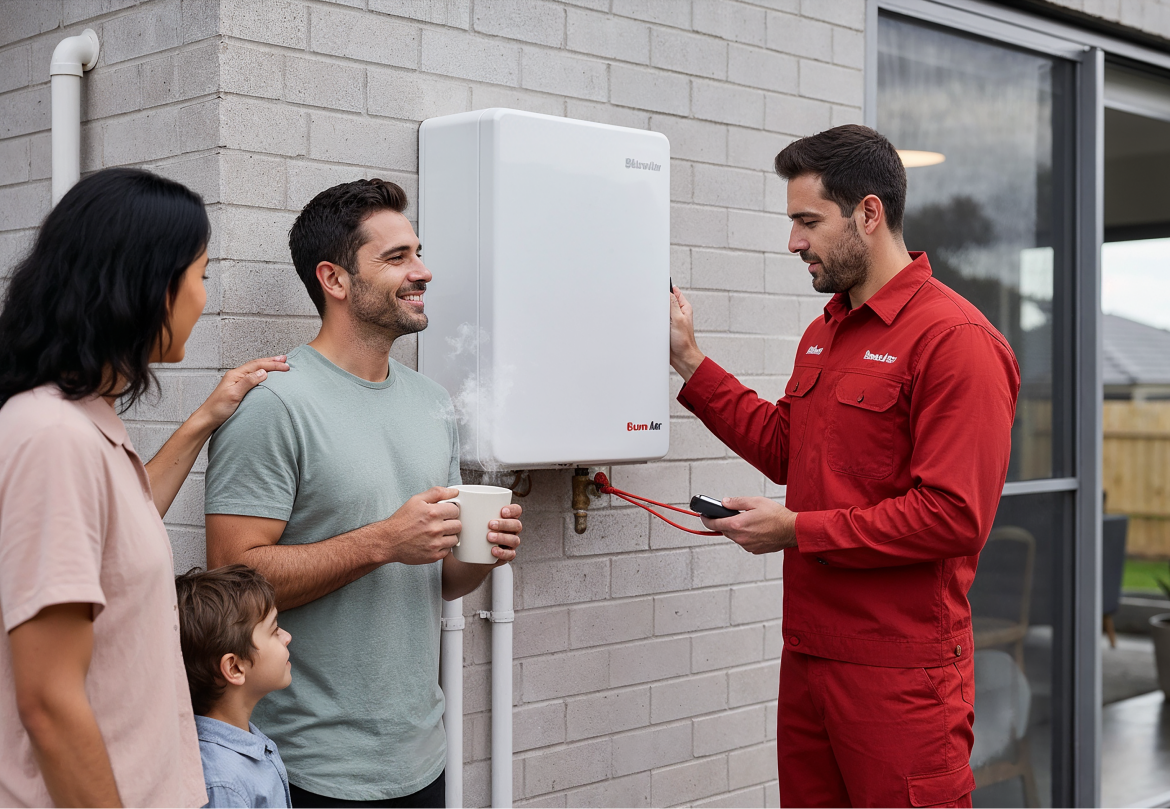
Failed hot water system
A failed hot water system is one of those problems that can't wait. Unlike a heater or air conditioner, you notice immediately and there's no workaround. We prioritise hot water replacements for exactly this reason — we stock common units and can usually turn around a same-day or next-day installation for standard replacements.
We install and service heat pump, gas storage, gas continuous flow (instantaneous), and electric storage hot water systems across Melbourne. A failed hot water system is one of those problems that can't wait — we stock common units and prioritise these jobs accordingly.
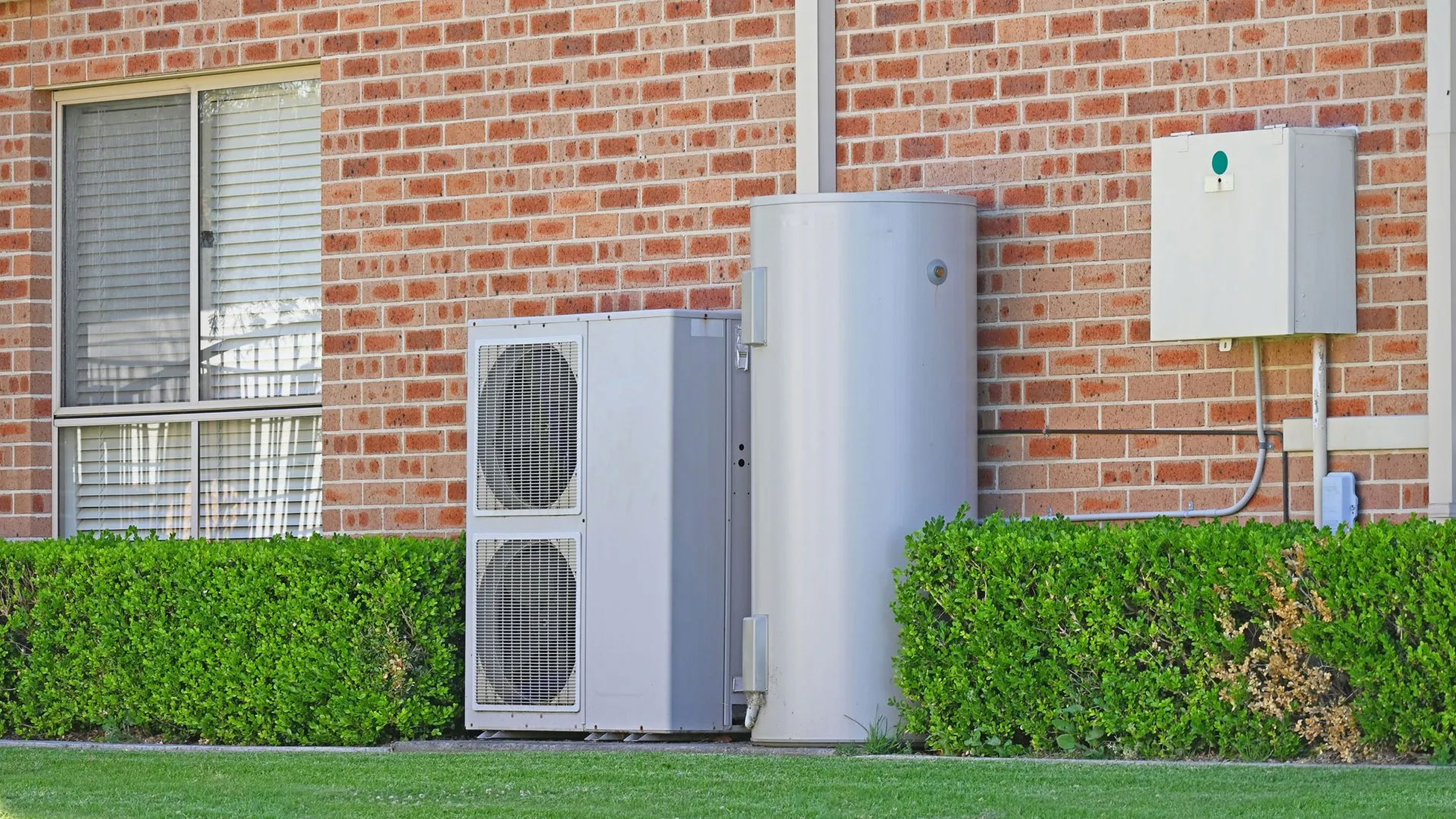
A heat pump hot water system works on the same principle as a reverse cycle air conditioner — it extracts heat from the surrounding air and uses it to heat water, rather than generating heat directly. This makes it two to four times more efficient than a conventional electric element system. For a typical household, switching from an electric storage system to a heat pump can reduce hot water energy costs by 60–70%.
Heat pump hot water systems are currently the most energy-efficient option available for most Melbourne homes, and they're eligible for VEU rebates when replacing an older electric or gas system. If you have rooftop solar, a heat pump hot water system is particularly well-suited — you can program it to run during daylight hours and use your solar generation rather than drawing from the grid.
Heat pump hot water units are larger than a standard electric storage cylinder — the compressor and fan unit adds height and requires adequate clearance and ventilation. Most units are installed outdoors or in a well-ventilated garage or utility space. They work best in ambient temperatures above about 5°C, which covers the vast majority of operating conditions in Melbourne year-round.
Gas hot water remains a popular choice in Melbourne homes that already have a gas connection, particularly for larger households with high hot water demand. There are two main types: storage systems and continuous flow (also called instantaneous or tankless).
A gas storage system heats water in an insulated tank and keeps it ready for use. It's a reliable and relatively simple technology, but it does lose some heat through the tank walls over time (standby heat loss), which makes it less efficient than continuous flow. Storage systems are available in a range of capacities — from around 90 litres for a small household up to 360 litres or more for larger families.
A continuous flow system heats water on demand as it passes through a heat exchanger — there's no storage tank. This eliminates standby heat loss entirely and means you can't run out of hot water mid-shower. The tradeoff is that flow rate can be limiting when multiple outlets are running simultaneously in larger homes. Continuous flow systems require adequate gas supply pressure and a larger gas line in some installations.
We install and service Rinnai, Rheem, and Dux gas hot water systems. All gas work is completed by our licensed gas fitters.
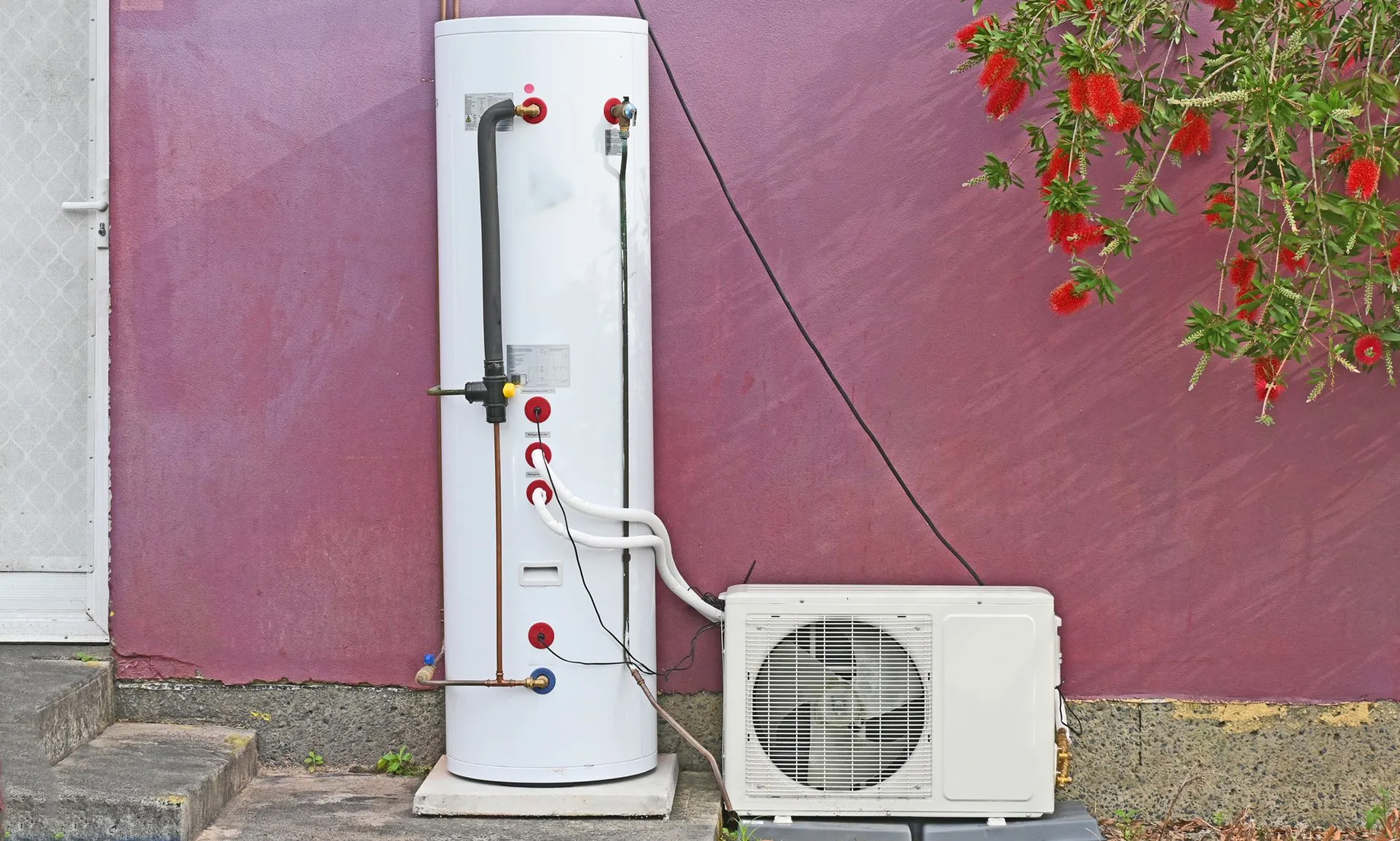
Electric storage systems are the simplest technology — a resistance element heats water in an insulated tank. They're lower cost to purchase and install than gas or heat pump alternatives, and there's no gas connection required. The significant downside is running cost: an electric element is the least efficient way to heat water, and for most households the ongoing energy cost is substantially higher than gas or heat pump alternatives over the life of the system.
If you're replacing a failed electric storage system and your property has a gas connection or space for a heat pump unit, it's worth getting a comparative quote before defaulting to a like-for-like replacement. The payback period on a heat pump upgrade — particularly with the VEU rebate applied — is often surprisingly short.
Not every hot water problem requires a full replacement. Common repairable faults include a failed thermostat or heating element (electric systems), a faulty gas valve or pilot light issue (gas systems), a leaking pressure relief valve, or a failed compressor on a heat pump system. We diagnose before we recommend — if a repair is cost-effective relative to system age and condition, we'll tell you. If it's not, we'll say so clearly and provide a replacement quote.
Signs that your system needs attention include: water not reaching temperature, the system taking longer than usual to recover, visible leaks around the tank or connections, discoloured water, or a pressure relief valve that's dripping or continuously discharging. Any of these warrant a service call rather than waiting.
Professional heating and cooling specialists serving Melbourne's Eastern suburbs since 1985. We provide reliable installation, servicing and repairs for air conditioning, heating and hot water systems.



© 2026 Blain-Air Heating & Air Conditioning. All rights reserved. | Licensed & Insured | VEU Accredited Installer


